





















The Evolution of Digital Image Editing
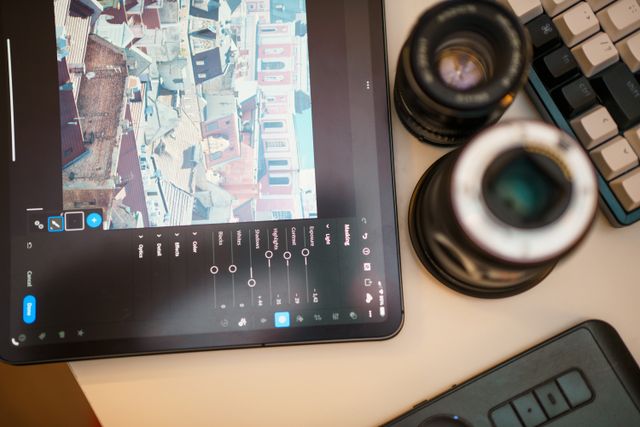
Image editing’s changed a lot over the past few decades. Older editing software made you understand layers, masks, filters, selection tools, and a whole pile of other technical functions before you could get anywhere. Putting together a polished image could take a genuinely long time, especially for people without any professional design background.
AI’s brought in a completely different approach. Instead of relying entirely on manual adjustments, modern image-editing systems can read written instructions, recognize objects, understand visual relationships, and make changes based on context. That makes sophisticated editing techniques a lot more accessible, while also shifting how experienced creators go about their own work.
What AI-Powered Photo Editing Actually Means
AI photo editing uses machine learning algorithms to recognise and manipulate visual media. Users can describe what they want to change and depending on the system they may be able to delete unwanted objects, change backgrounds, adjust lighting, sharpen details, or transform parts of an image.
A newer generation of tools focuses on pairing image understanding with generative capabilities. Rather than just nudging brightness or color, these systems can generate or reconstruct visual elements while trying to hold onto the important characteristics of the original image.
An editor might hand over an image and ask for a different background while keeping the main subject exactly where it was, for instance. The system has to identify the subject, separate it from the surrounding areas, generate a suitable replacement, and keep the original and modified sections visually consistent with each other.
Understanding Nano Banana 2.5 Technology
Growing interest in generative image systems has also led to tools built around newer AI image models. A Nano Banana 2.5 photo editing tool fits into this broader shift toward instruction-based visual editing, where users communicate changes through natural language instead of performing every adjustment by hand.
The real significance here isn’t just speed. Natural-language interaction genuinely changes the creative process itself. Instead of digging through menus for some particular effect, a user can describe an intended composition and then refine the result through follow-up instructions.
This helps a lot when an image needs several connected modifications at once. A creator might want to change an environment, adjust an object, and keep a consistent visual style throughout. AI systems can try to handle those relationships together rather than treating every change as a separate, isolated operation.
How Generative Editing Works
The details vary depending on the model, but generative image editing generally involves a few steps. The system first analyses the input image to identify visual features, objects, spatial relationships and other useful information.
Then it converts the user’s instruction. It’s like making a cloudy sky into a sunset, which requires the system to understand both the current scene and the change being requested. Then it creates pixels to match the requested result, trying to leave the untouched parts of the image alone.
This involves some genuinely complex pattern recognition. The model has to consider lighting, perspective, texture, edges, shadows, and how foreground and background elements relate to each other. How good the final result looks depends partly on how accurately the model actually understands those relationships.
Benefits for Everyday Creators
AI-assisted editing lowers the technical barrier that used to come with image manipulation. Someone who has no idea how to build a detailed mask manually can still describe which part of a picture needs to change.
The technology also makes rapid experimentation a lot more practical. Instead of committing serious time to one composition, users can try out several possibilities and compare the results side by side. That makes iterating on a design a lot easier for social media creators, students, photographers, marketers, and hobbyists alike.
Accessibility is another real plus. Traditional editing workflows often require knowledge of specialised terminology. Natural-language instructions provide another way in that makes advanced functions far less scary to approach.
Limitations and Things Worth Keeping in Mind
AI image editing isn’t without its problems. Generated modifications can contain inaccurate details, inconsistent textures, odd proportions, or visible artifacts. Small visual errors tend to stand out most when an image includes faces, hands, text, architectural structures, or highly detailed objects.
Users should really review generated results rather than assuming an AI-produced image’s automatically accurate. That matters especially when images are being used for factual communication, product representation, educational material, or professional documentation.
There are also open questions about copyright, consent and the use of training data. As the legal and ethical regulations governing generative AI are evolving, creators ought to be aware of the relevant rules when using generated or modified imagery.
Why Human Direction Still Matters
AI does not replace the need for creative judgement. A generated image might be technically correct in following the instruction but not expressive enough of the intended idea. Composition, storytelling, audience expectations, authenticity, visual hierarchy, these things still matter a lot.
Human involvement’s most useful at the stages of planning, reviewing, refining, and choosing results. AI can speed up certain technical processes, but the creator’s still the one deciding what the image should say and whether the finished result actually meets that goal.
Where AI Image Editing Is Headed
AI-powered image editing is heading toward more conversational and contextual workflows. Future systems could improve on complex instructions, identity preservation, consistency across edits and complex compositions.
And as those capabilities improve, the line between conventional editing and generative creation may begin to blur. The user can easily mix traditional edits and AI generated edits in the same workflow.
The general trend is pretty clear: image editing is becoming more and more interactive. There are new tools that people can use to communicate their creative intent in a much more direct way without having to learn every technical operation. “The challenge will be to balance that convenience and creative freedom with accuracy, transparency, originality and responsible use.”